What we fit,
and why

We do not carry a catalogue. Everything on this page is on a Taranaki roof or in a Taranaki switchboard right now, chosen because it stands up to salt, wind and hail, and because we are willing to come back and stand behind it.

Panels

4 options

Every panel we fit is N-type. It costs a little more and it holds its output for longer, which is the part you actually pay for.

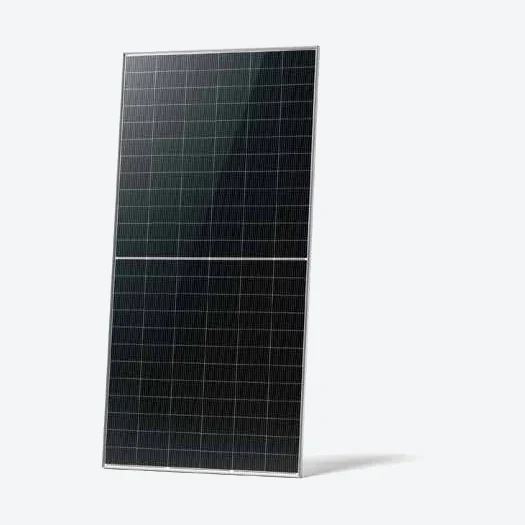
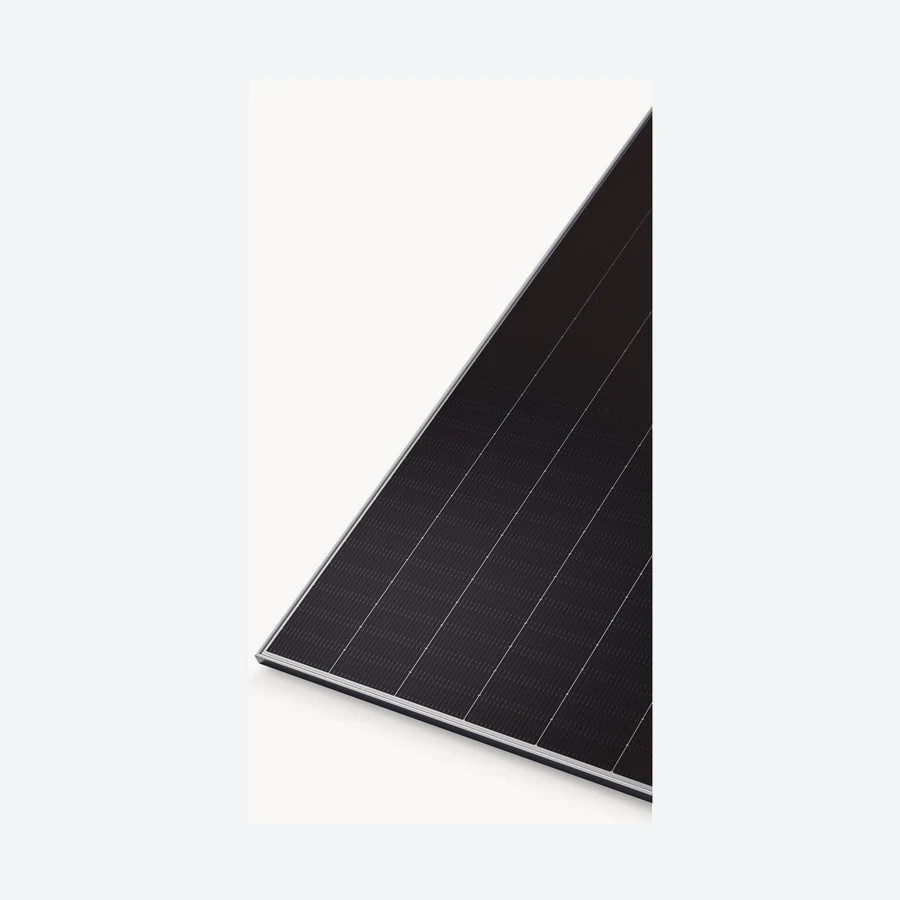
Suntech 475 W Black Pro solar panel

N-type TOPCon 3.0 · Double glass · All black

Suntech 475 W Black Pro

  • 475 W at 24.3% module efficiency, from 192 quarter-cut N-type TOPCon 3.0 cells
  • Black Pro monofacial double glass, dual 1.6 mm sheets rather than a backsheet
  • 1762 × 1134 × 30 mm, 21.0 kg, anodised black frame
Jinko Tiger Neo 465 W all-black dual-glass solar panel

N-type TOPCon · Salt mist certified · 30 year performance

Jinko Tiger Neo 465 W

  • Salt mist and ammonia certified, which is what matters on the coast and inside a dairy shed
  • 465 W at 23.27% efficiency, 96 half-cut cells, 25 year product and 30 year performance warranty
  • 6000 Pa front and 4000 Pa rear, IP68 junction box. Same footprint as the Suntech, so both use the same rails
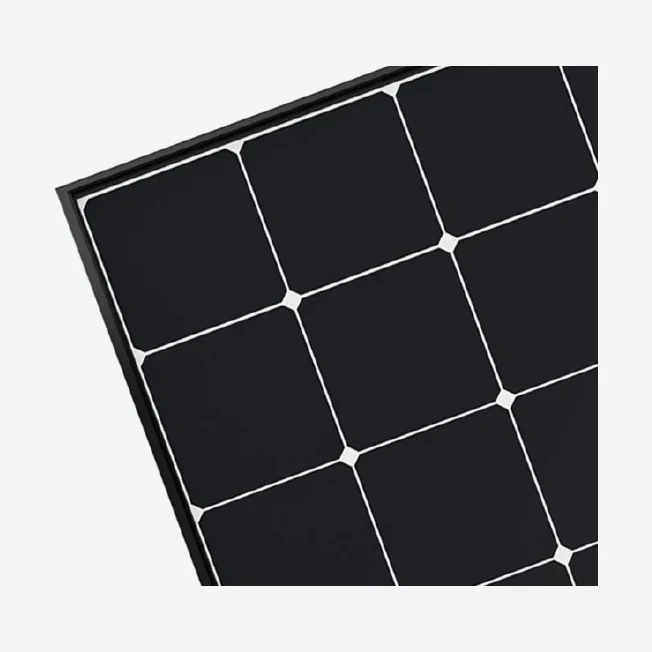
SunPower Maxeon 7 back-contact cells with no front gridlines

N-type IBC · Solid copper cells · 40 year warranty

SunPower Maxeon 7

  • 435 to 445 W at up to 24.1% efficiency, back contact cells with no gridlines on the front
  • 40 year product and performance warranty when registered, 98% output in year one then 0.25% a year
  • Hail tested to 45 mm, with shade and crack resistance from the copper backed cell
TCL T5 Pro M bifacial double-glass solar panel

N-type TOPCon · Bifacial · Large format

TCL T5 Pro M, 640 to 665 W

  • Up to 24.6% efficiency on the G12R 66 cell platform, for farm sheds, commercial roofs and ground mounts
  • Bifacial double glass, so it picks up light reflected off the ground behind it
  • 2382 × 1134 × 30 mm, 33.2 kg, dual 2.0 mm heat strengthened glass

Inverters

4 options

The inverter decides what your system can do in five years, not just today. We size it for where you are going.

Sigenergy Sigen hybrid inverter

Hybrid · Single and three phase · 6 kW to 99.9 kW

Sigenergy hybrid inverters

  • The range we use most, from 6 kW on a New Plymouth city roof to 99.9 kW on a Waitotara cow shed
  • Hybrid, so one unit runs the array and the battery, and storage can be added later
  • On some farm jobs we oversize it deliberately, so the array can grow without a second inverter
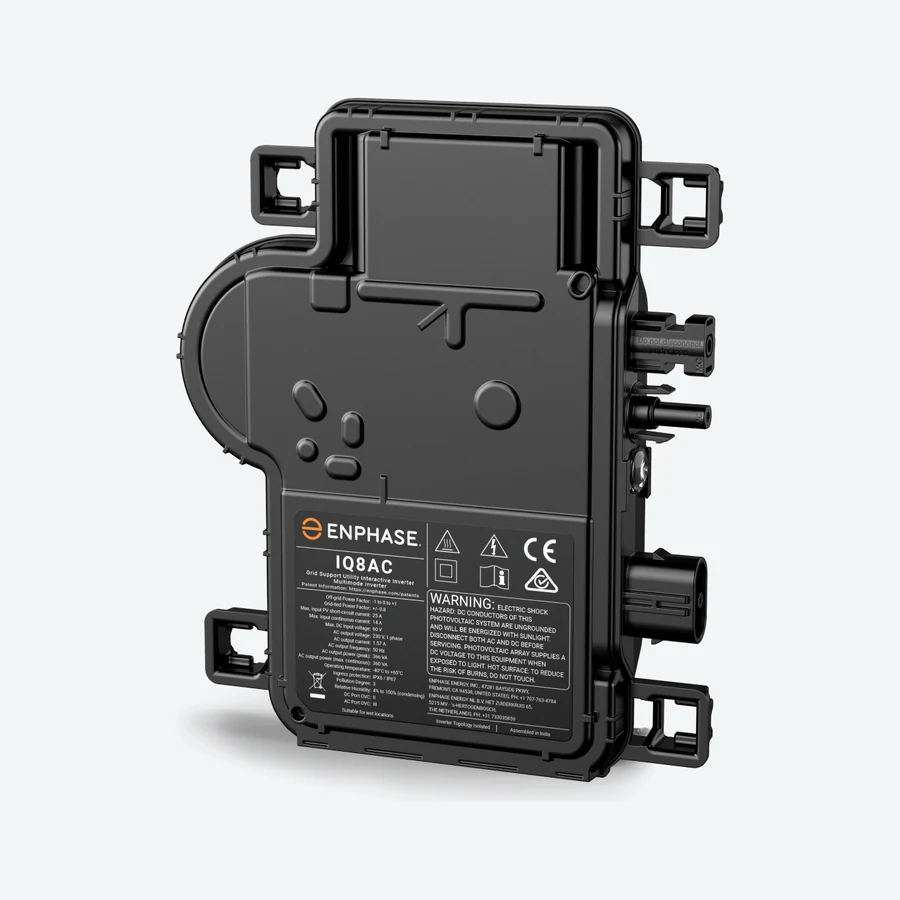
Enphase IQ8 series microinverter

Microinverter · Per panel · 25 year warranty

Enphase IQ8 microinverters
  • One microinverter per panel, so shade or a fault on one module does not drag the rest down
  • 386 W AC each, which lets us fit a 500 W panel oversized to fill the shoulders of the day
  • Per panel monitoring through Enphase Enlighten, and a 25 year replacement warranty
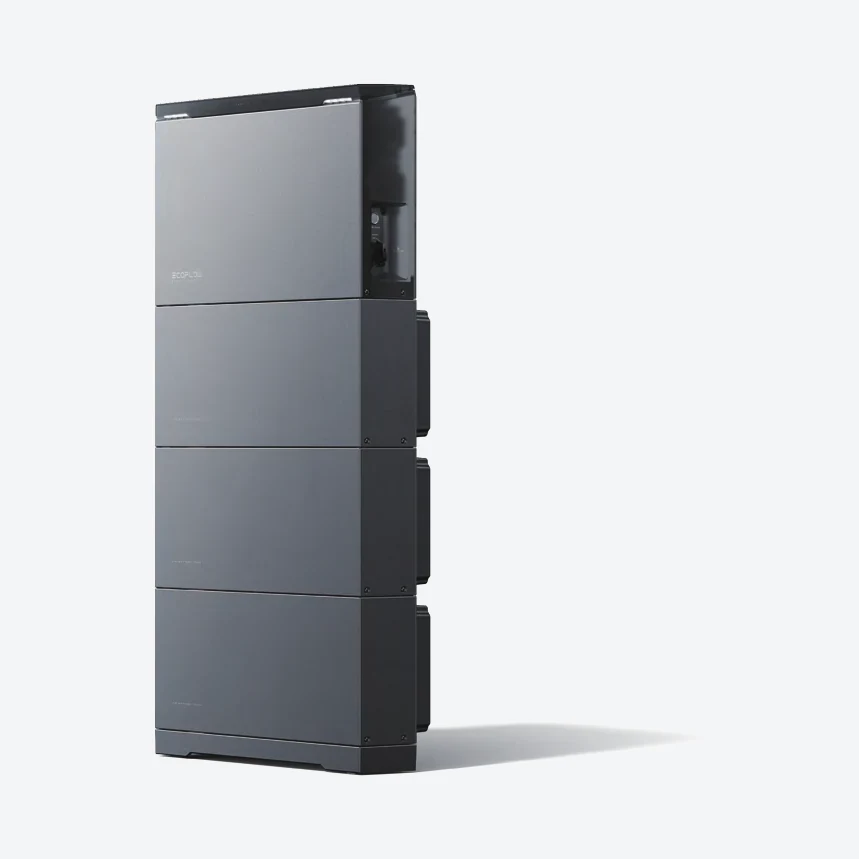
EcoFlow OCEAN 2 single-phase hybrid inverter and battery tower

All in one · 3 to 6 kW · 15 year warranty

EcoFlow OCEAN 2, single phase

  • 3, 5 or 6 kW with two MPPTs and room for roughly 9 to 12 kW of panels
  • Inverter and stackable LFP battery in one tower, 5.02 kWh packs, typically to 30 kWh
  • About 3.4 kW discharge per pack, IP65 inverter and IP66 battery, 0 ms switch to backup
EcoFlow OCEAN 2 three-phase hybrid inverter with stacked battery modules

Three phase · 6 to 12 kW · Up to 5 in parallel

EcoFlow OCEAN 2, three phase

  • 6, 8, 10 or 12 kW with three MPPTs and 12 to 24 kW of panels
  • Up to 12 modules, about 60 kWh, and up to five inverters in parallel on grid
  • IP66 inverter and battery, 0 ms switch to backup, monitoring over Wi-Fi, 4G or LAN

Batteries

1 option

A battery turns a daytime saving into an evening one. On a farm it is also what keeps the milk cold when the line goes down.

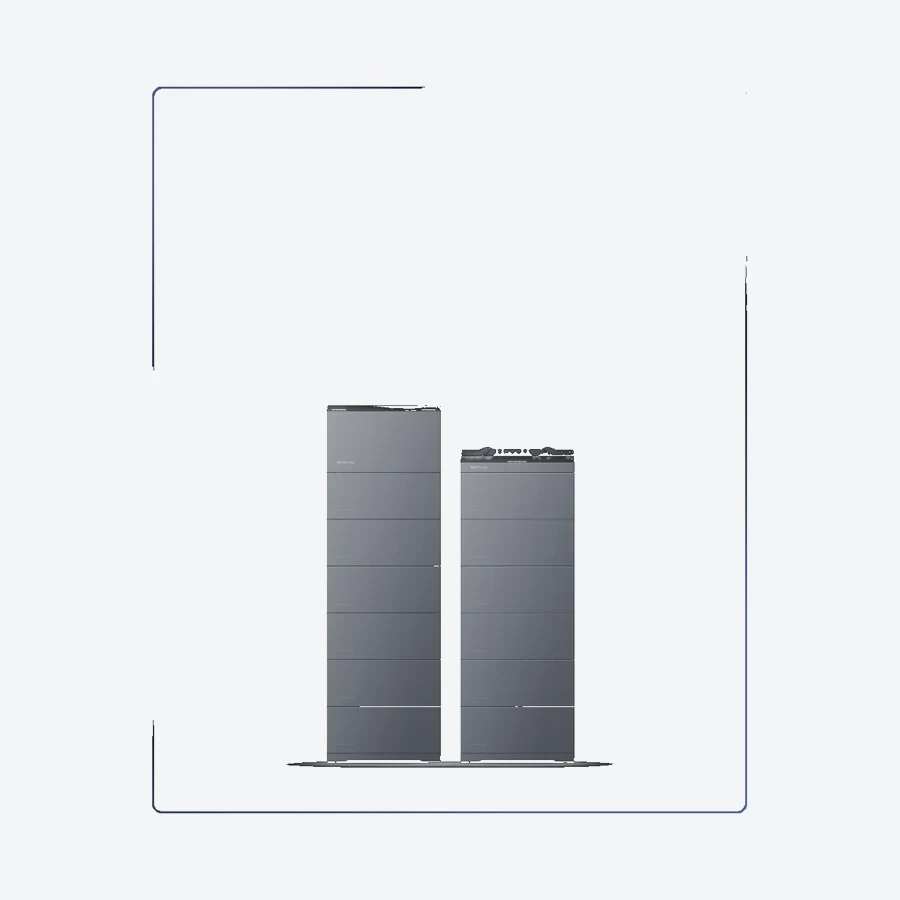
Sigenergy SigenStor battery installed on a wall at a Westown home

Modular LFP · Stacked · 10 kWh modules

Sigenergy SigenStor

  • Stacked modular battery built from 10 kWh modules, so capacity is simply how many you stack
  • Sized on real jobs from 15 kWh on a city roof to 27 kWh on a Waitotara dairy farm
  • One system and one app with the Sigenergy inverter and EV charger, not three brands made to talk

How big a battery do you actually need?

Most people guess high. The right size is set by what you use after dark and how long you want to ride through an outage, not by the size of your roof. On a dairy shed it is set by the vat and the plant. We work it out from your bills and your load, then give you the number. If a smaller battery does the job, we will say so.

EV charging

3 options

If you are already generating your own power, charging the car off it is the easiest win on the list.
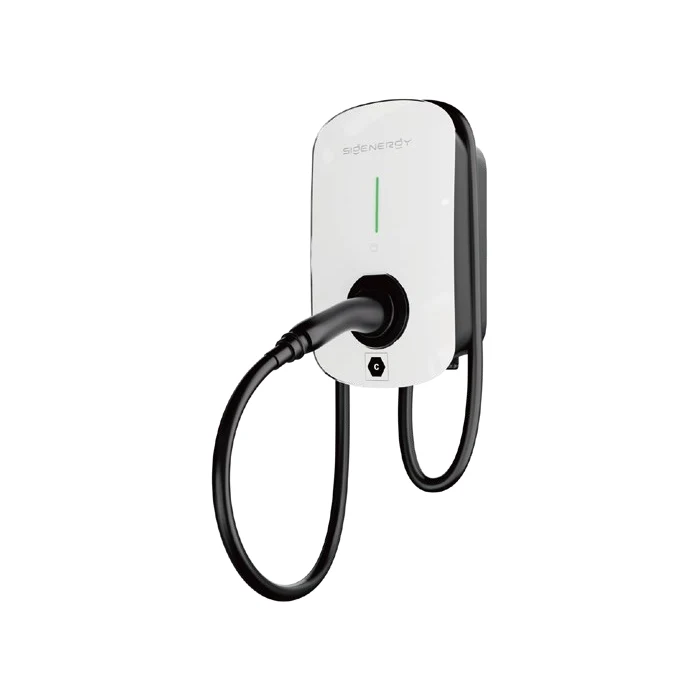
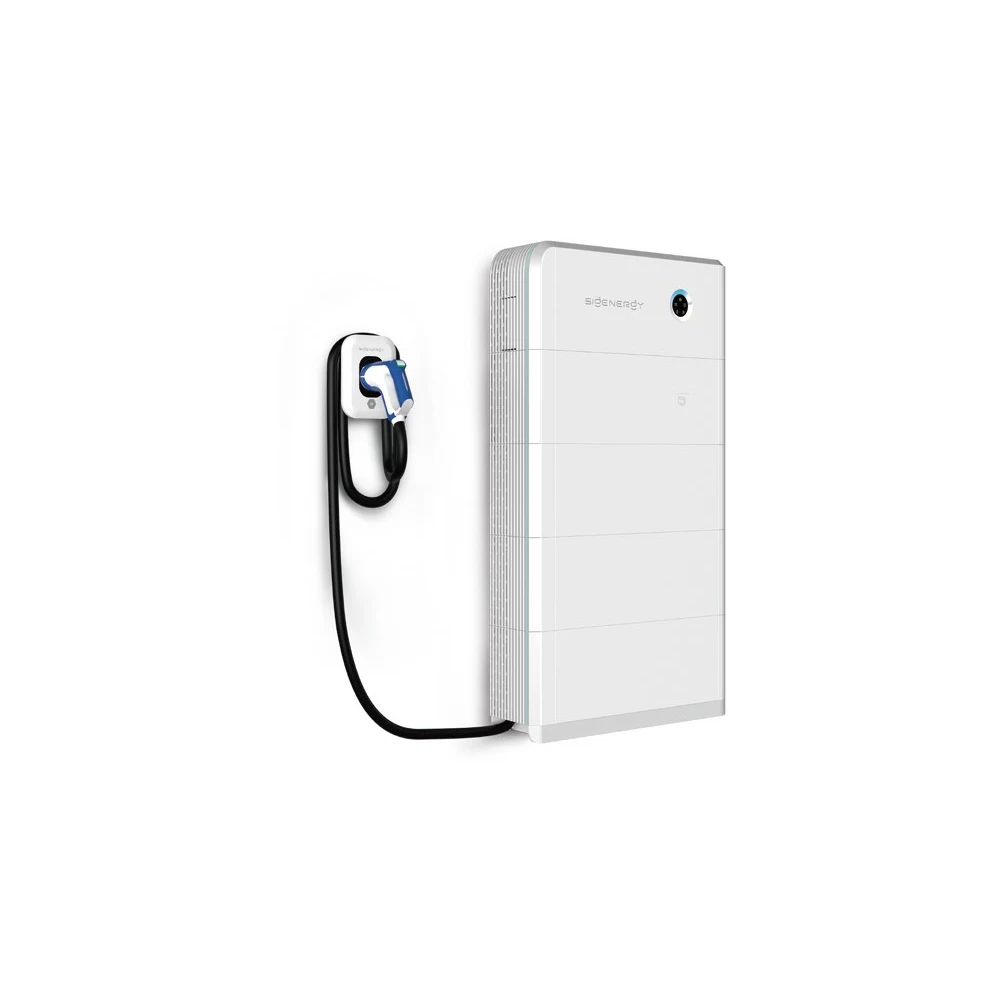
Sigenergy EV AC wall charger with tethered Type 2 cable

7 / 11 / 22 kW · Single or three phase · IP65

Sigenergy EV AC charger

  • Charge from solar, battery or the grid, all from one app
  • Solar-only, solar boost and fast-charge modes, so free or cheap power goes in first
  • Load management and OCPP, rated IP65 for outdoors
  • Fitted at 7 kW on an Okato home and at 11 kW three phase in a Lepperton car park
Sigenergy EV DC charging module mounted beside a SigenStor battery stack

Up to 25 kW DC · Bi-directional · IP66

Sigenergy EV DC charger

  • Charges faster with DC power straight from solar, battery or the grid
  • V2H lets a compatible EV back up the house in an outage
  • V2G can send stored energy back to the grid when demand is high, on compatible EVs
  • Pairs with SigenStor for one-app control and 100% solar charging when the sun is up
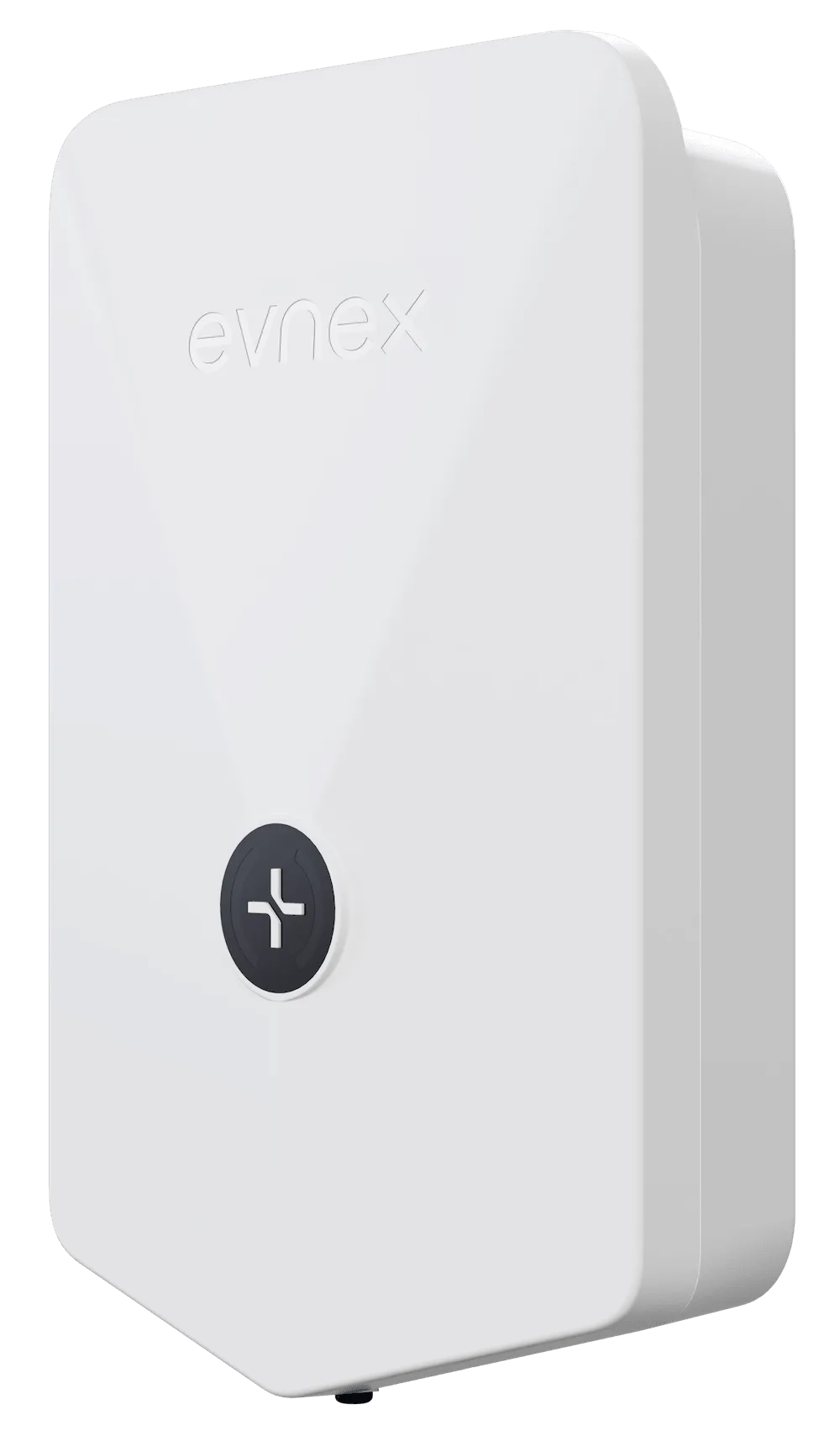
Evnex E2 EV charger in the Snow colourway

NZ made · 7.4 kW single phase · 22 kW three phase

Evnex EV chargers

  • Designed and built in New Zealand for Kiwi homes and weather
  • Diverts spare solar into the car and schedules cheap off-peak charging
  • Home overload protection, so the charger won’t trip the house supply
  • App control, works with almost every EV on NZ roads, 4-year residential warranty

Not sure which one?

Which charger suits depends on your vehicle, your switchboard and whether you want to charge fast or charge cheap. Ask us and we will tell you straight, including when the charger you already have is fine.

Smart control

3 options

The cheapest kilowatt hour is the one you use yourself instead of exporting it.
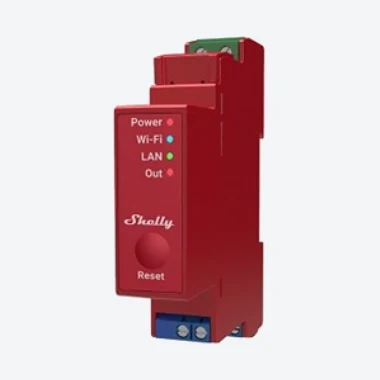
Shelly Pro 1PM DIN rail smart relay with power metering

DIN rail · Switch and meter · 16 A

Shelly Pro 1PM
  • One 16 A relay on 110 to 240 V AC with built in metering of volts, amps and watts
  • Switches and measures hot water, heat pumps, pumps and lighting circuits
  • One DIN module wide, about 19 mm. Ethernet, Wi-Fi and Bluetooth
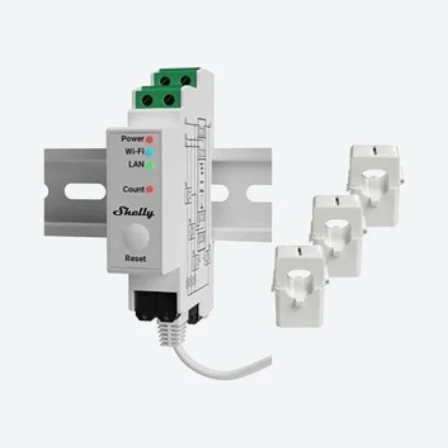
Shelly Pro 3EM three phase energy meter with current transformers

DIN rail · Three phase meter · 120 A CTs

Shelly Pro 3EM
  • Three phase energy meter, 120 A CTs as standard and a 400 A version for bigger sites
  • Four quadrant metering, so it reads import and export separately, typically to 1%
  • About 60 days of local logs at one minute. Meter only, no relay
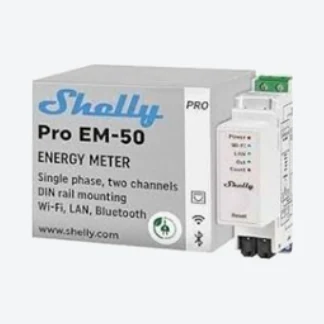
Shelly Pro EM-50 single phase energy meter

DIN rail · Single phase meter · Two 50 A CTs

Shelly Pro EM-50

  • Two 50 A current transformers reading power and energy on two channels
  • The meter we use to see grid import and export and to drive solar diversion
  • Four quadrant, about 1% typical, one DIN module wide. Meter only, no relay

How they work together

The EM-50 reads the incoming tails. The Pro 1PM sits on the hot water circuit. When the house is exporting, the 1PM switches the cylinder on. When you start importing, it switches off. You heat your water on your own power instead of selling it cheap and buying it back dear.

Not sure which of these you need?

That is our job, not yours. Tell us about your roof, your shed or your power bill and we will size it, quote it, and tell you honestly if solar is not worth it for you.